









- New
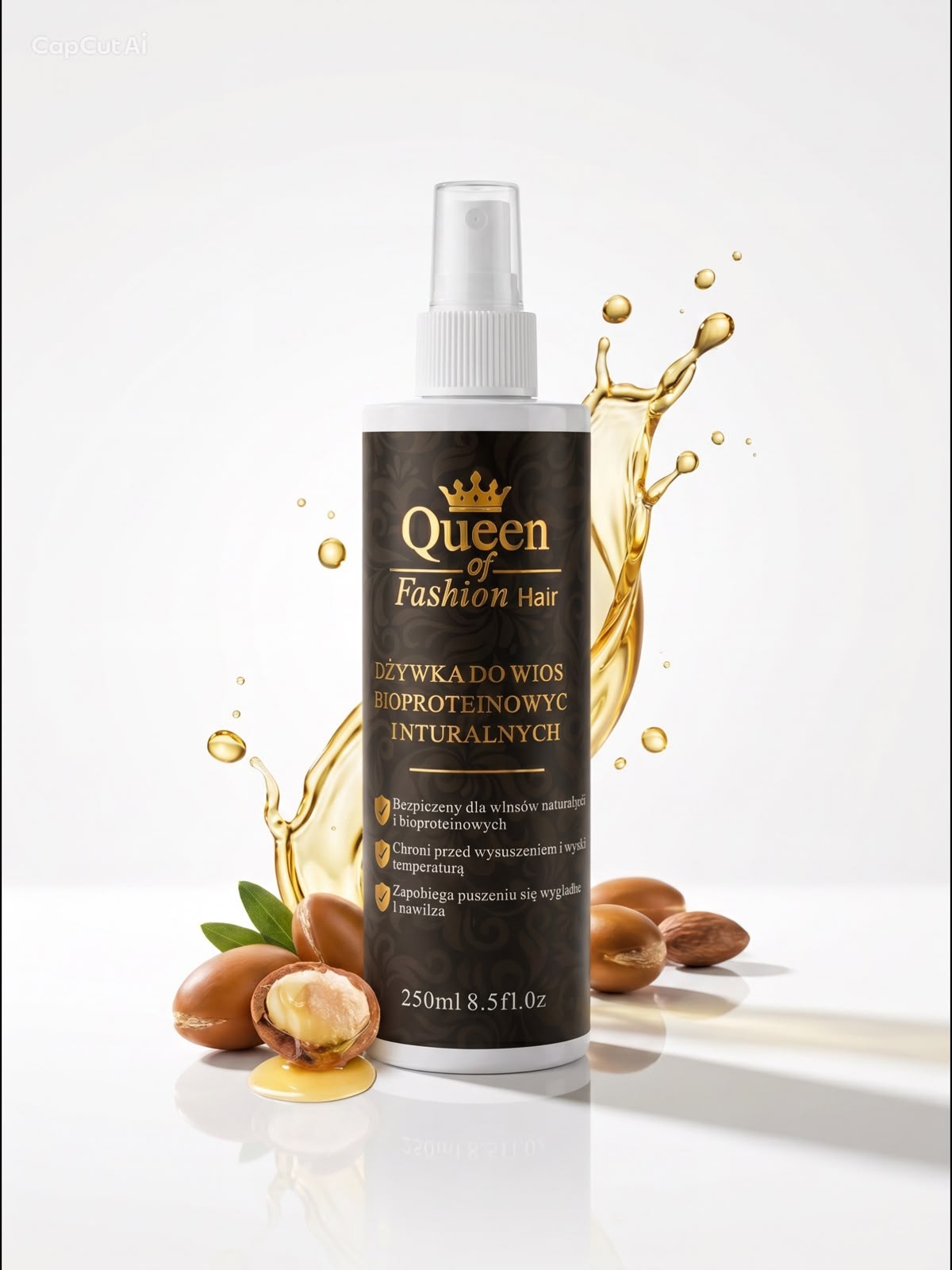


Argan oil, known as the "liquid gold of Morocco", is one of the most precious cosmetic oils in the world, with outstanding nourishing, moisturising and regenerating properties. Thanks to its wealth of active ingredients, such as vitamin E, unsaturated fatty acids and antioxidants, argan oil is widely used in the care of skin, hair and nails [1][2]. Its effectiveness comes from a unique combination of ingredients that work synergistically on cells, slowing the ageing process and supporting the body's natural regeneration.
Table of contents
Composition and active ingredients of argan oil
Healing and cosmetic properties for the skin
Effect on the condition of hair and scalp
Use in the care of eyebrows, eyelashes and nails
Mechanism of action at the cellular level
Use in health prevention
Synergistic action with other cosmetic ingredients
Trends and the future of argan oil
Sources:
Composition and active ingredients of argan oil
Argan oil is obtained from the fruits of the argan tree (Argania spinosa) by cold pressing. Its exceptional nutritional value comes from a rich chemical composition that contains about 80% unsaturated fatty acids [4]. The main components are oleic, linoleic and linolenic acids, which play a key role in maintaining the proper structure of the skin's lipid barrier.
Particularly valuable is the high level of vitamin E (tocopherols), with a content of 620–780 mg/kg [4]. This powerful dose of antioxidants protects cells from the harmful effects of free radicals, which are the main cause of premature skin ageing. In addition, the oil contains polyphenols, phytosterols and squalene, which enhance its anti-inflammatory and regenerating action [4][5].
The production process of argan oil is extremely labour-intensive – obtaining just 1 litre of oil requires about 30–35 kg of argan fruit [4]. This complexity of production makes argan oil one of the most expensive cosmetic oils in the world, but at the same time guarantees its high quality and effectiveness.
Healing and cosmetic properties for the skin
The antioxidant action of argan oil is the foundation of its anti-ageing properties. The antioxidants present in the oil neutralise free radicals that damage collagen and elastin – the proteins responsible for the elasticity and firmness of the skin [2][4]. Regular use of argan oil leads to a visible improvement in skin tone and a reduction in wrinkles.
The oil also shows strong anti-inflammatory properties, which makes it effective in soothing irritation, inflammation and various dermatological problems. Its gentle action means it is suitable for the care of even very sensitive skin [2][5]. The active substances in argan oil speed up the healing of wounds and scars, which is particularly valuable in cases of skin damage.
The moisturising and nourishing action of argan oil results from its ability to support the rebuilding of the skin's lipid barrier. Unsaturated fatty acids supply essential nutrients that inhibit transepidermal water loss and maintain an optimal level of hydration [2][4]. As a result, the skin becomes more elastic, smooth and radiant.
Argan oil is used in the treatment of various skin conditions, including psoriasis and eczema. Its soothing properties help reduce itching, redness and flaking of the epidermis, which significantly improves the quality of life of people suffering from these ailments [4][5].
Effect on the condition of hair and scalp
Hair care with argan oil brings spectacular results thanks to its ability to deeply nourish the structure of the hair. The fatty acids in the oil penetrate the hair shaft, filling in gaps in the keratin and smoothing the cuticle [3][5]. The result is a significant improvement in hair elasticity and a reduction in breakage.
What is argan oil best for?
Argan oil acts as a natural conditioner and shine serum that does not weigh the hair down. Its light texture means it absorbs easily, leaving hair soft, silky smooth and easy to comb [2][3]. Regular use of the oil helps control frizz and protects hair from the harmful effects of external factors.
The regenerating properties of argan oil are especially visible in hair damaged by chemical treatments, frequent heat styling or sun exposure. The active ingredients support the rebuilding of damaged hair structures, restoring a healthy appearance and natural shine [3][5].
Argan oil effectively counteracts hair loss by stimulating microcirculation in the scalp and delivering essential nutrients to the hair follicles. Its anti-inflammatory properties help in treating scalp inflammation, which can be a cause of weakened hair and hair loss [4][5].
Use in the care of eyebrows, eyelashes and nails
Caring for eyebrows and eyelashes with argan oil is gaining popularity because of its gentle yet effective action. Vitamin E and unsaturated fatty acids nourish the hair follicles, strengthening them and stimulating growth [2][5]. Regularly applying argan oil to eyebrows and eyelashes makes them thicker, stronger and gives them a natural shine.
Argan oil does not irritate the delicate skin around the eyes, which makes it a safe alternative to synthetic eyelash serums. Its natural active ingredients work gently but systematically, improving the condition and appearance of the lashes and brows [3][5].
Nail care with argan oil brings excellent results for brittle, weak or splitting nails. The nourishing ingredients penetrate the nail plate, strengthening its structure and increasing its flexibility [2][4]. Argan oil also effectively moisturises the cuticles around the nails, preventing them from cracking and from painful hangnails.
Regularly massaging the nails and cuticles with argan oil stimulates microcirculation in the nail bed, which speeds up nail growth and improves their overall condition. Antioxidants protect nails from the harmful effects of external factors, such as detergents or chemicals [4][5].
Mechanism of action at the cellular level
The action of argan oil at the cellular level is based on supplying essential nutrients that support the natural processes of cell regeneration and renewal. Unsaturated fatty acids are incorporated into cell membranes, improving their permeability and function [4][5]. As a result, cells absorb nutrients better and eliminate toxins more effectively.
The process of rebuilding the skin's lipid barrier is crucial for maintaining its health and youthful appearance. Argan oil supplies essential lipids that fill in gaps in the epidermal barrier, inhibiting water loss and protecting against harmful external factors [2][4]. This mechanism is especially important for mature skin, which naturally loses the ability to produce an adequate amount of sebum.
Neutralising oxidative stress is another key mechanism of action of argan oil. The high concentration of vitamin E and other antioxidants effectively neutralises free radicals, which are the main cause of premature cell ageing [4][5]. This protective process slows the degradation of collagen and elastin, keeping the skin in good condition for longer.
How to cleanse the scalp of sebum without irritation?
Use in health prevention
The health-promoting properties of argan oil go beyond cosmetic uses. Scientific studies point to its potential benefits in the prevention of heart and vascular disease thanks to its anti-atherosclerotic properties [4][5]. Unsaturated fatty acids may help maintain a healthy cholesterol level and protect against the development of atherosclerosis.
Argan oil also shows anti-inflammatory action in the body, which may be beneficial in the prevention of lifestyle diseases linked to chronic inflammation. Its regular use may support overall health and the body's vitality [4][5].
Use in nutraceuticals and pharmacy is a developing area of research on argan oil. Scientists are investigating its potential in combating hypertension and metabolic disorders, and as support in the therapy of various chronic conditions [4][5]. These promising research directions open up new prospects for the use of argan oil in medicine.
Synergistic action with other cosmetic ingredients
The synergistic properties of argan oil mean that it combines excellently with other active ingredients in cosmetics. Its ability to aid the absorption of other substances increases the effectiveness of entire cosmetic formulas [4][5]. Argan oil can serve as a carrier for other active ingredients, making it easier for them to penetrate deeper layers of the skin.
Combined with vitamin C, argan oil enhances the antioxidant action, creating a powerful system of protection against oxidative stress. A combination with fruit acids can speed up cell renewal processes, while a combination with peptides increases the effectiveness of the anti-ageing action [2][4].
Natural emulsions containing argan oil are characterised by better stability and skin tolerance. Its presence in cosmetic formulas reduces the risk of irritation and allergic reactions, which makes products safer for sensitive skin [4][5].
Trends and the future of argan oil
The growing popularity of argan oil in natural cosmetics reflects the general consumer trend towards organic and sustainable products. Increased environmental awareness means that consumers are increasingly choosing cosmetics containing natural active ingredients, such as argan oil [4][5].
The social aspect of argan oil production is also of great importance. Argan plantations support local communities in Morocco, providing employment and a source of income for thousands of families. This social dimension of argan oil production fits in with the trends of responsible consumption and fair trade [4][5].
Development directions include research on new cosmetic formulas with argan oil, its use in pharmacy, and the development of production technologies that can increase efficiency and reduce costs. Scientists are working on new extraction methods that may preserve even more of the active ingredients [4][5].
The future of argan oil looks promising, especially in the context of growing interest in natural medicine and a holistic approach to health. Its multi-directional action and safety of use make it an ideal ingredient for modern cosmetic and health products.
How to use the 10-in-1 conditioner:
1. Wash your hair with shampoo and rinse thoroughly.
2. Gently pat your hair dry with a towel – it should be slightly damp (not dripping wet).
3. Spray the conditioner evenly along the length of your hair, from the mid-lengths to the tips.
4. For hair extensions – apply carefully, avoiding the bonding points or using only a minimal amount there.
5. Comb your hair with a comb or brush to distribute the product evenly.
6. Do not rinse out.
7. Style your hair as usual – you can blow-dry, straighten it or leave it to air-dry naturally.
8. It can also be used on dry hair (in a small amount) to smooth it and add shine.
⸻
What not to do:
* Do not rinse the product out after application.
* Do not apply too much – it may weigh your hair down and make it look greasy.
* Do not apply directly to the scalp (unless the manufacturer expressly allows it).
* Do not over-spray the bonding points on hair extensions – it may weaken them.
* Do not use on very wet, dripping hair – the product will be diluted and will be less effective.
* Do not skip combing your hair after application – it helps distribute the conditioner evenly.
* Do not combine with a large amount of other heavy styling products – it may overload your hair.
Specific References
10-in-1 conditioner for natural and bioprotein hair
Bioprotein & Natural 10-in-1 hair conditioner is a light, professional treatment developed specifically for hair extensions and natural hair. Enriched with oils and advanced conditioning agents, it restores softness, makes hair easier to style and adds shine without weighing it down.
The 10-in-1 formula provides complete care: it protects natural and extension hair, reduces frizz, makes detangling easier, smooths, moisturises, adds silkiness, strengthens the hair structure, adds shine, protects against high temperatures and shields against harmful environmental influences. It leaves hair smooth, silky and easy to style. A professional premium product for hair salons.